• Manufacturing

    Our garments are designed with people in mind, made by our manufacturing partners in Hong Kong with SMETA and BSCI certifications across the board. On top of these certifications, we intentionally design every garment to eliminate potentially exploitative practices.

  • Designing

    Our clothes are made by humans, and so are our designs. The Hushfall Archives uses NO generative AI. Our words, art, and ideas come from our own brains and hands. Always. We believe in paying artists, stitchers, and everyone in this process a fair & equal wage.

  • Human Impact

    We design our clothing from fiber to finish to reduce or eliminate negative impacts on ourselves, our manufacturers, and our environment. We use more than 85% natural fibers in our clothing, and use slow shipping methods and biodegradable polybags with less environmental impact.

Handmade, human made.

At the end of the day, all clothing is made by human hands, whether it’s a single, custom piece, or a run of 10,000. But not all garment manufacturing is created equal.

The Hushfall team has been making garments with our own hands for over 15 years, and two of us have worked in garment/textile workshops. Through this experience, we believe that every person involved in manufacturing our products is a highly skilled artisan in their own right who deserves respect and good working conditions.

Our team draws on their collective experience and knowledge to avoid designing garments that are made using techniques & materials that we know are poorly paid, hazardous, or wasteful. And if we don’t know the answer, we communicate with our manufacturing partners about what’s best.
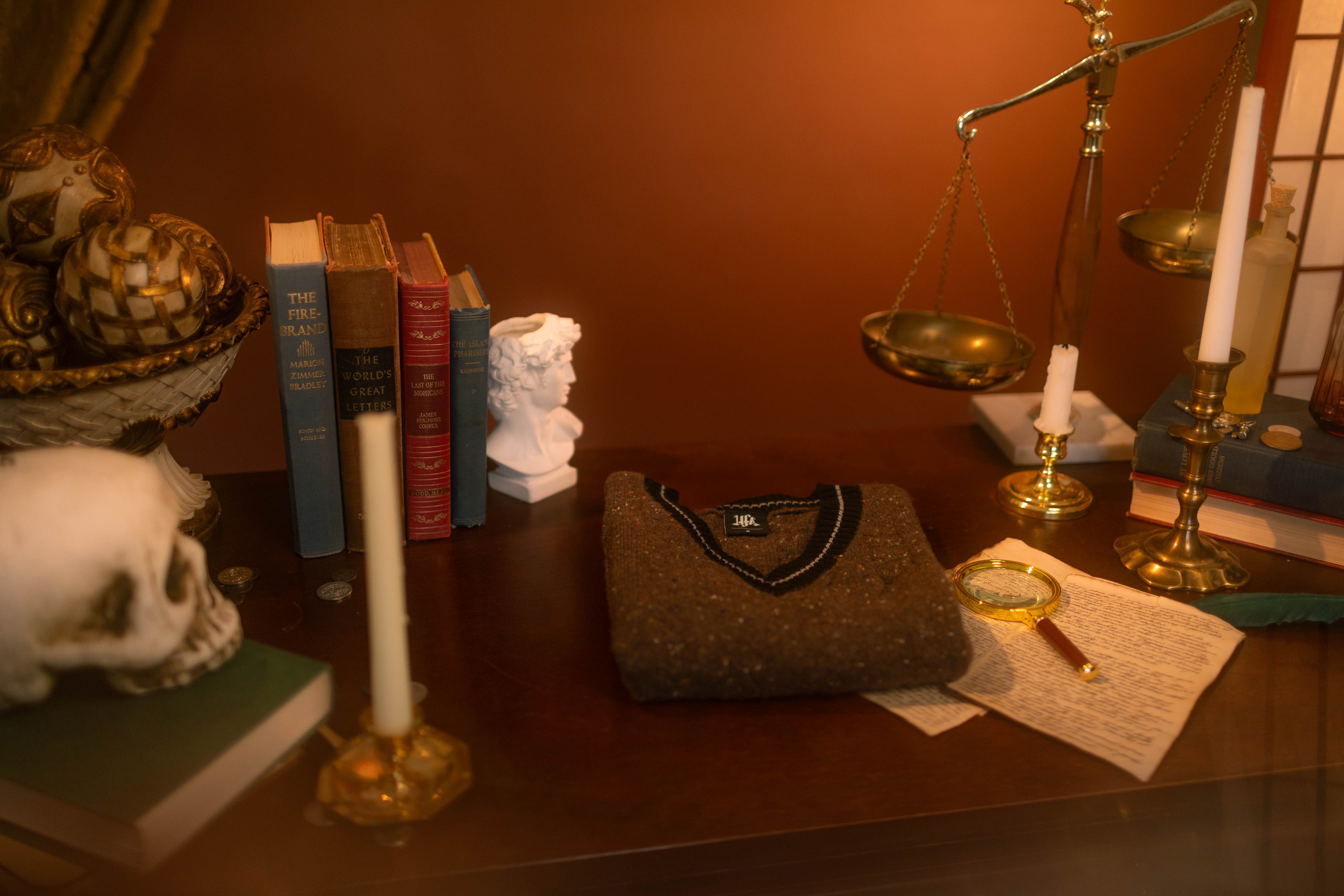
Stitched by hand, designed by people who sew (professionally).

We believe that we are part of an interconnected, global society, and we are united by our shared labor. Our products are manufactured by a handful of workshops, either in the USA or in Hong Kong, all selected for their quality, expertise, and ethics. As two of us are former stitchers (and one current costume professional), we have worked the jobs our manufacturers do, and understand them well.

Although some other, larger corporations own their factories, we don’t! To all of the manufacturers we work with, we are one of many clients, and it’s important to us to be good clients. In many cases, we have been working with the same project manager for years, and know them very well!

There’s a lot of hard work and skill involved in making our pieces, and we consider our manufacturers our partners in this process.

  • Certifications

    Our manufacturers are reviewed using a combination of personal experience (we’ve worked with them for a long time and have seen their workspaces!) and internationally recognized certifications including SMETA and BSCI that grade the company every 1-3 years in a variety of areas including: health and safety, labor standards, protections, and ethics.

  • Pricing

    We trust our manufacturers to set a fair price. Unlike many larger fashion companies, we never ask our manufacturers to make more, faster, and for less money. And if the cost of making our items increases, we pay our manufacturers more. Our pricing across the store reflects not only our commitment to quality, but our commitment to keeping wages fair for everyone.

  • Balance

    In most cases, our manufacturers in Hong Kong get more holidays and time off than the average American worker. So every year, we build our production schedule around these holidays so that our manufacturers get the time off they deserve. This is reflected in our deadlines; if a manufacturer would rush, we don't.

Fabrics, fibers, and the future

We always consider the sustainability, look, feel, performance, and purpose of our garments when we’re designing and producing them.

We avoid selecting the easiest, cheapest, or synthetic fabrics when a natural fiber option is available, all while striving to keep our prices reasonable and our garments wonderful to style, wash, and wear. The environment is important to us, and so is your experience wearing our products.

Our team believes that a piece that’s worn often and loved deeply is the best kind of clothing. That’s why we aim to make unique pieces that will be with you for years to come, not fast fashion meant to be worn once and thrown away. To extend the life of our garment, see our care tips in our garment size guide.

  • Natural fibers

    More than 85% of our garments use natural fibers. The remaining 15% are either metal accessories, or contain a small amount of synthetic fiber to prioritize comfort and longevity of wear, like the nylon content in our socks or metallic content to make things sparkle.

  • Sustainable methods

    Starting with the design process, we eliminate any fashion "features" that are exploitative to offer at a low price. If your slow-fashion brand is hosting hand-beaded or hand-crochet garments, that brand should be paying couture wages, and charging couture prices.

  • Sustainable methods

    Starting with the design process, we eliminate any fashion "features" that are exploitative to offer at a low price. If your slow-fashion brand is hosting hand-beaded or hand-crochet garments, that brand should be paying couture wages, and charging couture prices.

Eco-friendly shipping

The worst environmental impact in fashion is not just fabric, but shipping. Large fashion retailers ship their clothing from warehouse to store to warehouse, but not ours. We use the most eco-friendly shipping method available (often by boat) to get our collections from our manufacturers in Hong Kong to our warehouse in Portland, Oregon. Once a collection reaches our warehouse, individual orders get hand packed and sent on to you in biodegradable polybags.

We include free vinyl stickers with every purchase )featuring our shop cat, Michael), but if you'd like to exclude these, say so in your order notes.